Early Signs of Heart Disease Millennials Ignore in 2026
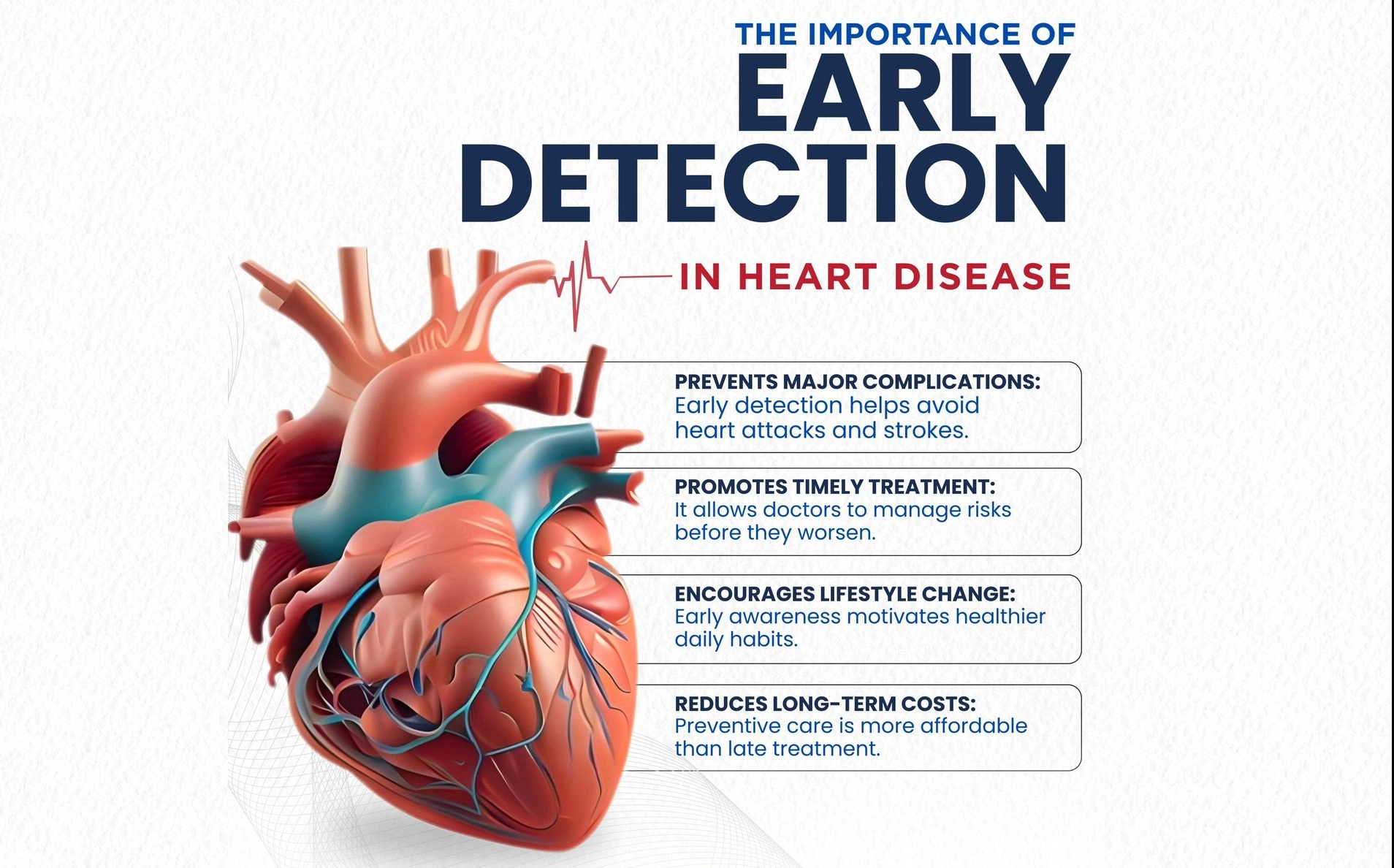
In 2026, heart disease is no longer limited to older adults. An increasing number of millennials (ages 25–45) are being diagnosed with heart-related problems—often at advanced stages—simply because the early warning signs were ignored or misunderstood. Busy lifestyles, work stress, poor sleep, unhealthy diets, and screen-heavy routines are silently damaging heart health.
According to Dr. Gurbeer Singh Gill, many heart conditions can be managed without invasive procedures if detected early. Recognizing symptoms on time can prevent serious complications, including heart attacks.
Why Millennials Are at Higher Risk in 2026
- High stress and burnout culture
- Sedentary lifestyle and minimal physical activity
- Poor sleep cycles and late-night routines
- Increased consumption of processed and fast food
- Smoking, vaping, and alcohol use
- Ignoring routine health check-ups
These factors contribute to early-onset heart disease, often without obvious symptoms.
Early Signs of Heart Disease Millennials Commonly Ignore
-
Frequent Fatigue and Low Energy
Constant tiredness—even after adequate rest—may indicate reduced blood flow to the heart. Many millennials dismiss this as work stress or lack of sleep.
-
Chest Discomfort (Not Always Pain)
Heart issues don’t always cause sharp pain. Mild pressure, tightness, heaviness, or burning sensations are often mistaken for acidity or muscle strain.
-
Shortness of Breath
Feeling breathless while climbing stairs or during light activity can signal early heart dysfunction and should not be ignored.
-
Palpitations or Irregular Heartbeat
A racing, skipping, or fluttering heartbeat—especially during rest—may indicate rhythm disturbances or underlying heart stress.
-
Pain in Shoulder, Jaw, Neck, or Left Arm
Heart-related pain doesn’t always stay in the chest. Referred pain to these areas is a common but overlooked sign.
-
Excessive Sweating Without Reason
Sudden cold sweats, especially without exertion, can be an early cardiovascular warning.
-
Swelling in Feet or Ankles
Fluid retention may indicate reduced heart pumping efficiency and should be evaluated early.
-
Anxiety That Feels Physical
Unexplained anxiety, restlessness, or panic-like symptoms may sometimes be linked to heart issues rather than mental health alone.
Why Ignoring These Signs Is Dangerous
Ignoring early symptoms can lead to:
- Sudden heart attacks
- Advanced heart blockages
- Long-term medication dependency
- Emergency procedures that could have been avoided
Dr. Gurbeer Singh Gill emphasizes that many heart patients can be treated with lifestyle changes and medicines—without stents—if diagnosed early.
How Early Diagnosis Can Prevent Stents & Surgery
Early evaluation using:
- ECG
- 2D Echo
- TMT (Stress Test)
- Blood markers
- CT Coronary Angiography (when required)
helps determine whether medical management is sufficient, avoiding unnecessary invasive procedures.
When Should Millennials See a Heart Specialist?
- Family history of heart disease
- Diabetes, high BP, or high cholesterol
- Persistent fatigue or breathlessness
- Repeated chest discomfort
- Stress-heavy lifestyle
Early consultation can save lives and prevent lifelong complications.
Expert Heart Care with Dr. Gurbeer Singh Gill
Dr. Gurbeer Singh Gill is known for treating numerous heart patients successfully without stents, focusing on:
- Evidence-based medical treatment
- Lifestyle correction
- Ethical cardiology practices
- Patient-first decision-making
Final Thoughts
In 2026, heart disease is subtle, silent, and often ignored—especially by millennials. Listening to your body and acting early can make the difference between simple medical care and major cardiac intervention.
If you notice any of these signs, don’t wait. Early heart care can protect your future.