Inflammation and Heart Disease: The Hidden Risk Factor
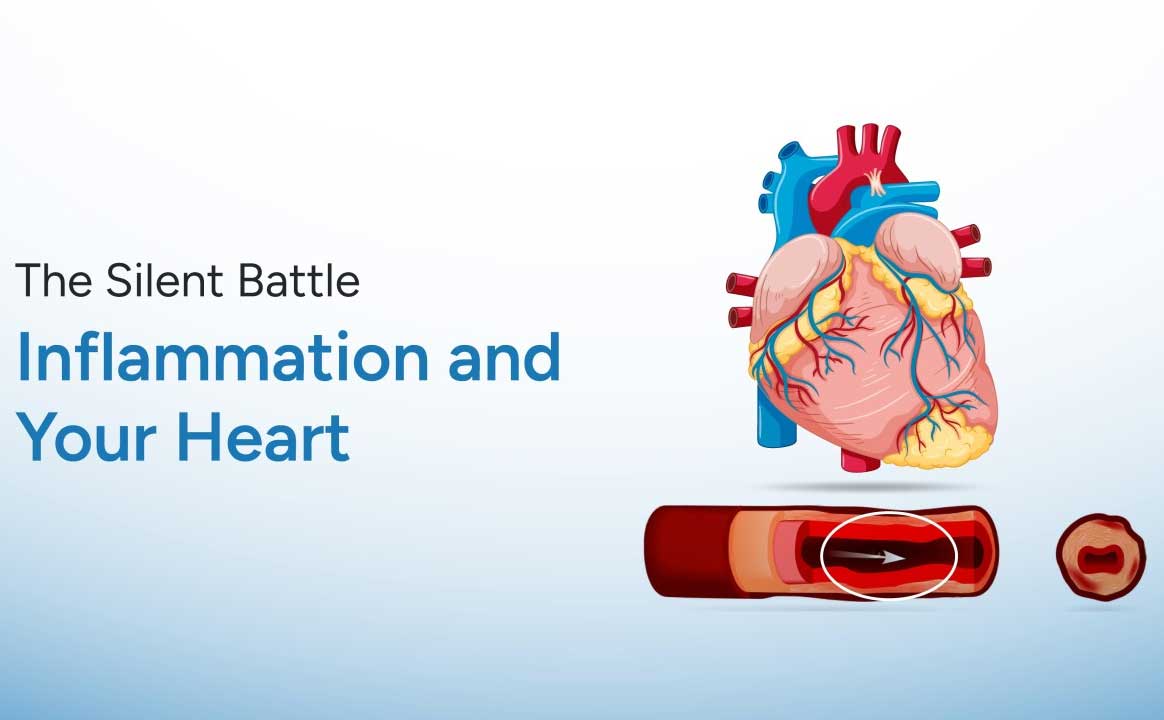
Heart Disease and Inflammation: A Comprehensive Guide
Heart disease is often associated with high cholesterol, high blood pressure, or smoking. However, one of the most overlooked contributors to cardiovascular disease is chronic inflammation. At Oxford Hospital, Jalandhar, Dr. Gurbeer Singh Gill specializes in treating heart patients, including those who benefit from stent-free interventions, emphasizing modern, holistic heart care.
What Is Inflammation and How Does It Affect the Heart?
Inflammation is the body’s natural response to injury, infection, or stress. While acute inflammation is protective, chronic low-grade inflammation can silently damage blood vessels, the heart, and other organs over time.
In the context of heart health, chronic inflammation can:
- Damage arterial walls, accelerating the formation of plaques.
- Trigger plaque rupture, which can lead to heart attacks.
- Increase the risk of arrhythmias and heart failure.
Even patients without traditional risk factors like high cholesterol or smoking can develop heart problems if chronic inflammation persists.
Common Causes of Chronic Inflammation
Several factors contribute to prolonged inflammation in the body, including:
- Poor Diet: High intake of processed foods, trans fats, and sugars can trigger inflammatory responses.
- Obesity: Excess fat, especially around the abdomen, produces inflammatory chemicals that affect the heart.
- Stress: Chronic psychological stress raises inflammatory markers and can strain the cardiovascular system.
- Chronic Infections or Autoimmune Conditions: Conditions like rheumatoid arthritis or ongoing infections can elevate systemic inflammation.
- Lifestyle Factors: Sedentary behavior, poor sleep, and environmental pollution contribute to heart-related inflammation.
How Inflammation Connects to Heart Disease
Recent research highlights that even patients with normal cholesterol levels can experience heart attacks due to persistent inflammation. Elevated inflammatory markers such as C-reactive protein (CRP) are often detected in individuals at higher risk for cardiovascular events.
Dr. Gurbeer Singh Gill emphasizes that early detection of inflammation and proactive management can prevent severe cardiac events, often avoiding invasive procedures like stent placement.
Stent-Free Heart Treatment: A Modern Approach
At Oxford Hospital, Dr. Gurbeer Singh Gill focuses on stent-free interventions for patients when possible, using advanced medical therapies, lifestyle optimization, and targeted medications to:
- Reduce arterial inflammation
- Stabilize existing plaques
- Improve overall heart function
This approach is less invasive, reduces recovery time, and addresses the root cause of heart problems rather than only the symptoms.
Preventing Inflammation-Related Heart Problems
While medical care is crucial, patients can also take proactive steps to minimize inflammation:
- Eat a heart-healthy diet rich in fruits, vegetables, whole grains, and omega-3 fatty acids.
- Maintain a healthy weight through regular exercise.
- Manage stress with yoga, meditation, or mindfulness techniques.
- Avoid exposure to pollution and smoking.
- Schedule regular heart check-ups, especially if there is a family history of heart disease.
Conclusion
Inflammation is a hidden risk factor for heart disease that is often overlooked until serious problems occur. Early detection, lifestyle management, and expert care from cardiologists like Dr. Gurbeer Singh Gill at Oxford Hospital, Jalandhar can protect your heart and prevent invasive procedures like stent placement.
Your heart deserves attention beyond cholesterol — understanding and controlling inflammation is the key to long-term cardiovascular health.