Is Every Heart Blockage Dangerous?
Expert Insight by Dr. Gurbeer Singh Gill | Oxford Hospital, Jalandhar
When people hear the words heart blockage
, panic is often the first reaction.
Many patients believe that any blockage in the heart arteries is life-threatening and requires immediate stent placement.
But is that really true?
According to Dr. Gurbeer Singh Gill, a trusted heart specialist treating patients at Oxford Hospital, Jalandhar, not every heart blockage is dangerous, and not every patient needs a stent.
What Is a Heart Blockage?
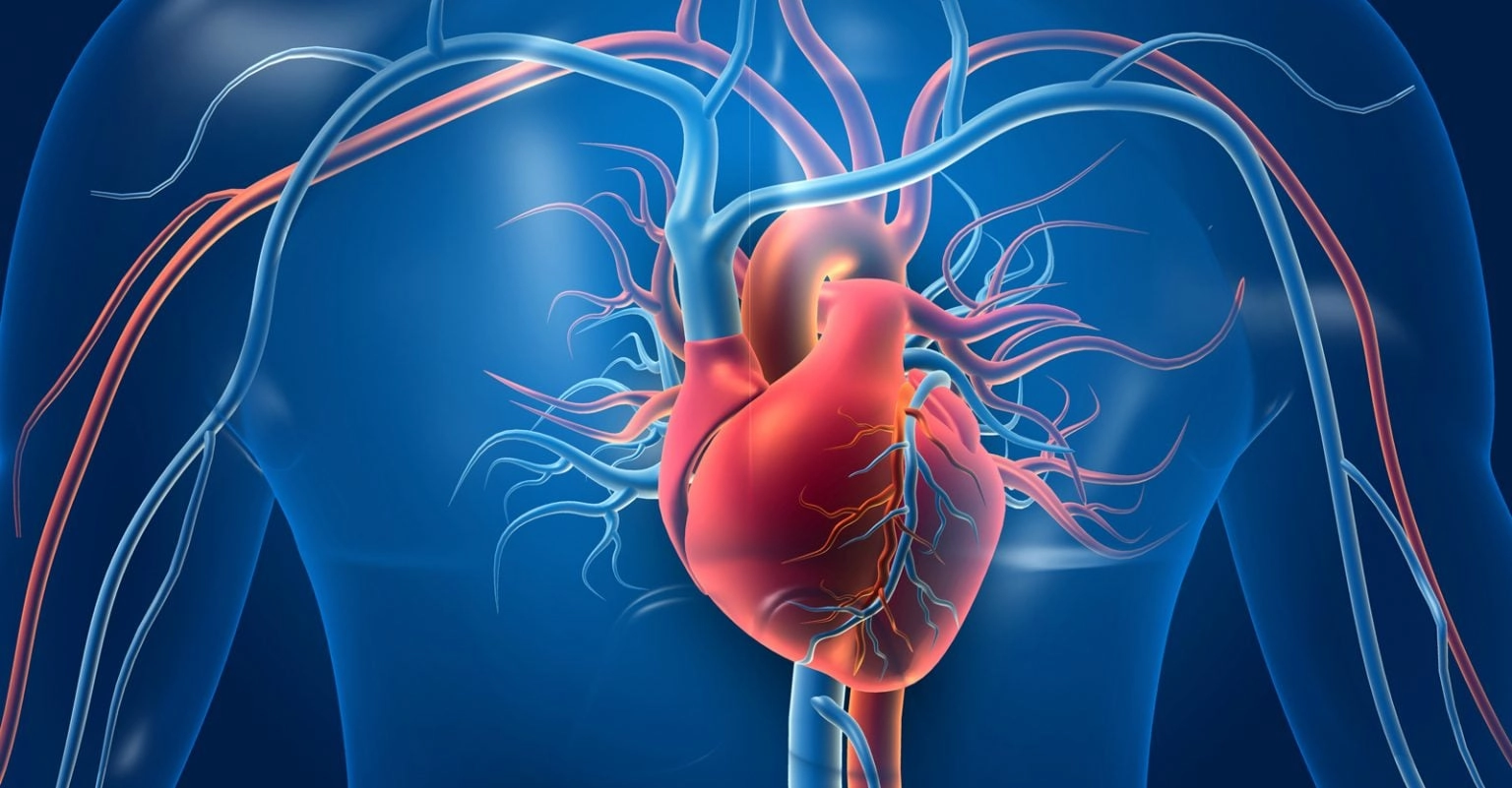
Heart blockage occurs when fatty deposits (plaque) build up inside the coronary arteries, reducing blood flow to the heart muscle. This condition is medically known as Coronary Artery Disease (CAD).
However, the severity of blockage matters more than its presence.
Is Every Heart Blockage Dangerous?
No. Not every heart blockage is dangerous.
Many people live normal, healthy lives with mild or moderate heart blockages—often without symptoms.
Heart blockages are generally classified as:
- Mild blockage: Less than 40%
- Moderate blockage: 40–70%
- Severe blockage: More than 70%
👉 Mild and moderate blockages often do NOT require stents and can be managed with:
- Medicines
- Lifestyle changes
- Regular monitoring
When Does a Heart Blockage Become Dangerous?
A heart blockage may become serious if:
- It significantly restricts blood flow
- It causes symptoms like chest pain, breathlessness, or fatigue
- It leads to reduced oxygen supply to the heart
- It is unstable and prone to sudden rupture
Severe blockages or unstable plaques increase the risk of heart attack and require immediate expert evaluation.
Do All Heart Blockages Need a Stent?
This is one of the biggest myths.
No, all heart blockages do NOT need a stent.
Dr. Gurbeer Singh Gill emphasizes that stents are only required in selected cases, such as:
- Severe blockages causing persistent symptoms
- Heart attack situations
- Poor response to medical treatment
Many patients are successfully treated without stents through:
- Optimal medications
- Blood sugar and BP control
- Cholesterol management
- Diet, exercise, and lifestyle correction
Why Proper Evaluation Is Crucial
Every patient’s heart condition is different. Before recommending any procedure, a detailed assessment is essential.
Common tests include:
- ECG
- Echocardiography (Echo)
- TMT (Stress Test)
- CT Coronary Angiography (in selected cases)
A personalized treatment plan helps decide whether a blockage is dangerous or manageable.
Diabetes and Heart Blockage: A Special Concern
Patients with diabetes may develop silent heart disease, meaning blockages can progress without noticeable symptoms.
That’s why regular heart check-ups are extremely important for diabetic patients, even if they feel fine.
Can Lifestyle Changes Help Control Heart Blockage?
Yes—especially in early and moderate stages.
Key lifestyle steps include:
- Healthy, heart-friendly diet
- Regular physical activity
- Quitting smoking
- Stress management
- Controlling diabetes, BP, and cholesterol
These measures can slow disease progression and reduce complications.
Expert Care at Oxford Hospital, Jalandhar
Dr. Gurbeer Singh Gill is known for his ethical, patient-first approach to heart care. His focus is on:
- Accurate diagnosis
- Avoiding unnecessary stents
- Conservative and preventive cardiac treatment
- Long-term heart health
Patients visiting Oxford Hospital, Jalandhar receive clear guidance, honest opinions, and personalized care plans.
Final Words
Not every heart blockage is dangerous—and not every blockage needs a stent.
The key lies in early diagnosis, correct evaluation, and expert medical guidance.
If you or a loved one has been diagnosed with heart blockage, don’t panic—get the right opinion first.
Your heart deserves informed care, not fear.
FAQ Section
- Q1. Is every heart blockage dangerous?
- No, every heart blockage is not dangerous. Mild and moderate blockages often do not cause symptoms and can be managed safely with medicines and lifestyle changes under expert medical guidance.
- Q2. Do all heart blockages require a stent?
- No. Stents are required only in specific cases such as severe blockages, heart attacks, or when symptoms persist despite medical treatment.
- Q3. How do doctors decide if a heart blockage is serious?
- Doctors assess symptoms, blockage severity, blood flow to the heart, and test results such as ECG, Echo, TMT, or angiography before deciding on treatment.
- Q4. Can heart blockages be treated without surgery or stent?
- Yes. Many patients are successfully treated without stents using medications, diet changes, exercise, and control of diabetes, blood pressure, and cholesterol.
- Q5. Are diabetic patients at higher risk of heart blockage?
- Yes. Diabetes increases the risk of heart blockages and may cause silent heart disease. Regular heart checkups are strongly recommended for diabetic patients.
- Q6. What are common symptoms of dangerous heart blockage?
- Chest pain, shortness of breath, fatigue, sweating, dizziness, or pain radiating to the arm or jaw may indicate a serious blockage and require immediate evaluation.
- Q7. When should I consult a heart specialist in Jalandhar?
- You should consult a heart specialist if you have chest discomfort, breathlessness, diabetes, high BP, family history of heart disease, or abnormal heart test results.
- Q8. Who is Dr. Gurbeer Singh Gill?
- Dr. Gurbeer Singh Gill is a reputed heart specialist known for ethical, patient-focused cardiac care and treating many patients without unnecessary stent placement at Oxford Hospital, Jalandhar.